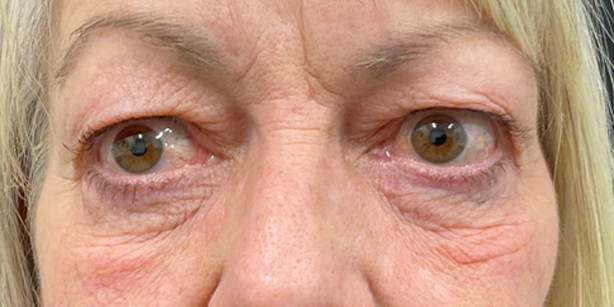
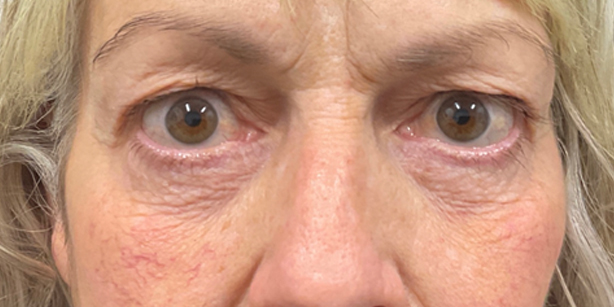
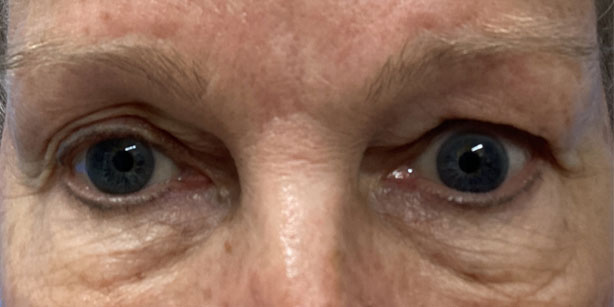
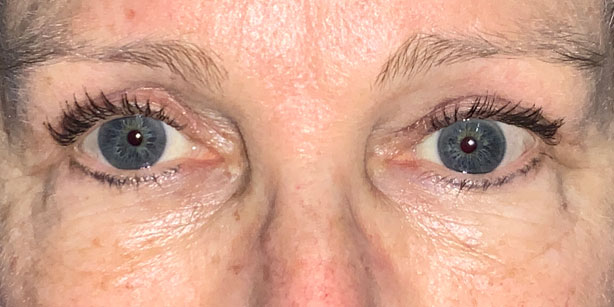
Tepezza (teprotumumab-trbw) is a non-surgical treatment option that Dr. Ilya Leyngold offers for patients with thyroid eye disease (TED). Rather than simply targeting symptoms, it addresses the underlying disease process. For appropriate candidates, Tepezza has FDA approval for treating TED regardless of disease activity or duration. Research backs its efficacy in reducing the effects of TED, including related symptoms such as:
● Eye bulging (i.e., proptosis) ● Double vision ● Eyelid and tissue swelling ● Eye discomfort, pressure, and inflammation
Treatment recommendations are always based on each patient’s individual symptoms, medical history, and exam findings.
Visit Duration: 90 minutes for 1st & 2nd infusion; 60 minutes for the 6 subsequent infusions
Who Do We Treat With Tepezza?
When considering Tepezza for a TED patient, Dr. Leyngold conducts a thorough evaluation. Importantly, even patients with chronic or longstanding TED may qualify, as there is no “window of treatment” for Tepezza.
Candidate Symptoms
Tepezza may prove suitable for patients with TED-related symptoms that interfere with daily life. Common candidate profiles include symptoms such as:
Bulging or protrusion of one or both eyes
Double vision
Swelling, redness, or puffiness around the eyes
Pressure or discomfort behind the eyes
Difficulty closing the eyes completely
Eye dryness or irritation
Noticeable symptom progression
Evaluating Candidates
Not every patient with TED will require treatment with Tepezza. As such, Dr. Leyngold assesses patient profile elements, including:
Severity and pattern of TED
How long symptoms have been present
Tolerance of needles and IV infusions
Degree of proptosis and double vision
Eye movement and eyelid position
Previous TED treatments
Thyroid status and overall medical history
Based on your full profile, he may recommend Tepezza for thyroid eye disease or an alternative approach. Other highly effective procedures include both noninvasive (steroid therapy) and invasive (orbital decompression, eyelid surgery) procedures.
If the path be beautiful,
let us not ask where it leads.
ANATOLE FRANCE
Very Nice Experience!! With him and his whole Staff.
by Veronica G
★★★★★Rated 5 out of 5
Very Nice Experience!! With him and his whole Staff. They make you feel so comfortable and assured that your in great hands I highly recommend him he’s on point with his work, also concerned when you talk to him Loved being in their care what an awesome Team!!!.
Before and After Photos
Slide the arrow to left or right to see before and after results
Our goal is to listen carefully, understand,
and address your unique concerns, leaving you
ecstatic about your results.